The global demand for Brushless DC Motors is rising rapidly. According to a recent market report, the brushless motor segment is expected to grow by 11.5% annually over the next five years. This growth is fueled by advancements in technology and increasing energy efficiency needs. Brushless DC Motors are becoming the preferred choice in various applications, including electric vehicles and robotics.
One major benefit of Brushless DC Motors is their efficiency. These motors convert electrical energy into mechanical energy with minimal losses. This translates into lower operational costs. However, their initial investment can be higher than traditional motors, posing a barrier for some buyers. Additionally, the complexity of control systems may require specialized knowledge.
Another advantage is their longevity. Brushless DC Motors have a longer lifespan due to reduced wear and tear. This durability appeals to industries prioritizing reliability. Yet, potential users must consider factors like heat management and maintenance. Therefore, understanding both advantages and challenges is crucial for making informed purchasing decisions.
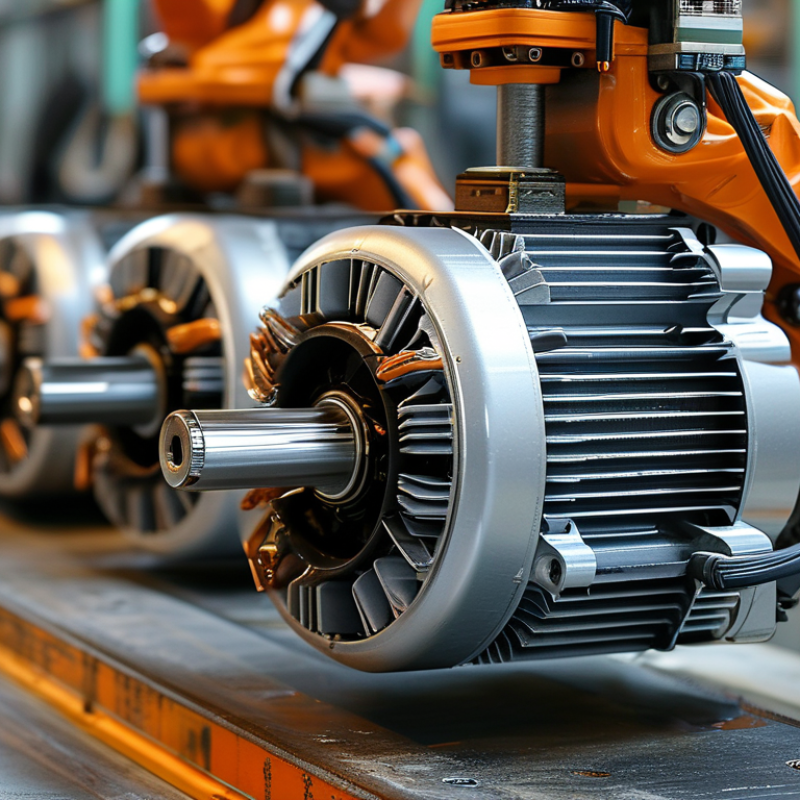
Brushless DC motors have gained attention for their high efficiency. Unlike traditional motors, they eliminate the need for brushes. This change significantly reduces friction, leading to less energy loss. As a result, these motors operate at higher efficiency rates, often exceeding 90%. The advanced design allows for better heat dissipation. This feature makes them ideal for applications requiring prolonged use.
Another advantage is precise speed control. Brushless DC motors can adjust speeds smoothly, making them suitable for various applications, from robotics to HVAC systems. They can maintain consistent torque across a broad range. This precision not only enhances performance but can also reduce wear and tear on components. However, they can be complex to control. This complexity may pose challenges during initial set-up.
In terms of reliability, these motors tend to have longer lifespans. The absence of brushes reduces regular maintenance needs. Yet, they may require more advanced electronics for operation. Some users may find this daunting or costly. While the benefits of high efficiency and longevity are clear, potential users must weigh these against their specific needs and expertise.
Brushless DC motors have gained popularity among global buyers for several compelling reasons. One of the most significant advantages is the reduction of maintenance costs. Traditional DC motors rely on brushes that wear out over time. The absence of brushes in brushless designs leads to fewer mechanical failures. Operators benefit from longer operational lifespans and reduced downtime.
In a busy manufacturing environment, maintenance schedules often disrupt productivity. With brushless DC motors, the need for routine brush replacement vanishes. This not only saves time but also minimizes operational disruptions. Furthermore, without brushes creating friction, there is less heat generation. This efficiency enhances the durability of the motor and optimizes energy use.
However, it’s important to remain cautious. While brushless motors reduce maintenance, they can be more complex to install and control. Their initial costs might be higher, which requires careful budget considerations. Buyers must weigh the long-term savings against upfront expenses. This reflection can ensure informed decisions, benefiting both immediate needs and future growth.
Brushless DC motors have gained attention for their enhanced lifespan, a key factor that fascinates global buyers. According to industry performance data, these motors often last longer than their brushed counterparts. This is largely because they have fewer moving parts, reducing wear and tear. The absence of brushes eliminates the risk of brush-related failures, which can shorten the motor's life. Furthermore, advanced cooling techniques often accompany brushless designs, promoting efficient performance and durability.
Longevity is not the only advantage. Brushless motors are also known for their high efficiency. They convert more electrical energy into mechanical energy. This efficiency translates into less heat generation, which can prolong the motor’s operational life. However, not all brushless motors are equal. Variability in manufacturing quality can impact their lifespan. It’s essential for buyers to review performance metrics and reliability reports. While the promise of extended life is appealing, each model must be evaluated on its specific merits to ensure it meets the demands of its intended application.
Brushless DC motors (BLDC) are revolutionizing various industries due to their efficient thermal management capabilities. Enhanced thermal performance translates to improved reliability and longevity, making them a preferred choice for many applications. A report by the International Electrotechnical Commission (IEC) highlighted that BLDC motors can operate at temperatures of up to 140°C without significant loss in performance. This is crucial in demanding environments where excess heat can lead to failure.
The design of BLDC motors minimizes heat generation. Their efficient rotor and stator configurations help dissipate heat more effectively than traditional motors. In fact, a study from the IEEE showed that using BLDC motors can reduce energy loss by up to 25% in high-temperature applications. This reduction in energy waste not only extends the lifespan of the motors but also promotes sustainability, aligning with industry standards for energy efficiency.
However, it's essential to consider their complexity. The advanced electronics required for controlling these motors can introduce vulnerabilities. Some manufacturers find that the cost associated with these controls can be high, impacting overall project budgets. Additionally, maintenance can be challenging, especially for less experienced technicians. Balancing these factors is vital for ensuring the optimal performance of brushless DC motors in practical scenarios.
Brushless DC motors (BLDC) offer remarkable precision and control in various applications. They utilize electronic commutation, eliminating the need for brushes. This technology enhances reliability and performance. Users can expect smoother operation with reduced noise levels. The torque produced is more consistent across a wide range of speeds. This accuracy makes them ideal for robotics and automation.
In applications where precision is paramount, BLDC motors shine. They can achieve exact positional control. This is crucial in medical devices and aerospace technology. The compact design allows for integration into tight spaces. However, understanding the intricacies of control algorithms can be a challenge. Not every user will grasp the complexities involved. Investing time in education about motor performance can yield significant benefits.
Choosing the right BLDC motor is not always straightforward. Factors like size, power requirements, and application type matter. Buyers may encounter performance discrepancies if not properly matched. Continuous evaluation of motor performance is necessary to ensure optimal outcomes. Although BLDC motors come with high efficiency, users should be aware of their limitations. Reflecting on these challenges fosters better decision-making.
: They have high efficiency, often exceeding 90%. This is due to the absence of brushes, which reduces friction.
The advanced design allows for better heat dissipation, making them suitable for prolonged use in various applications.
They offer precise speed control and can adjust smoothly, which is ideal for robotics and HVAC systems.
The lack of brushes leads to longer lifespans and reduced maintenance needs compared to traditional motors.
Yes, they can be complex to control, requiring advanced electronics. Set-up may be difficult for some users.
Precision is crucial in applications like medical devices, where exact positional control is necessary.
Not everyone will understand the control algorithms, which can be intricate and overwhelming for some users.
Factors like size, power requirements, and application type should be carefully evaluated to avoid performance issues.
Yes, it helps ensure optimal outcomes and proper functioning of the brushless DC motors in various applications.
Users should consider both the benefits and limitations to make informed decisions about their specific needs and expertise.
Brushless DC motors offer numerous advantages over traditional motors, making them an appealing choice for global buyers. One of the primary benefits is their high efficiency, which translates to lower energy consumption and improved performance. Additionally, the absence of brushes in brushless DC motors not only reduces maintenance costs but also enhances their overall lifespan, supported by various industry performance data.
Furthermore, brushless DC motors are designed for better thermal management, which significantly increases their reliability in diverse applications. This technology allows for greater control and precision, making brushless DC motors particularly suitable for tasks that require exact specifications. Overall, the shift towards brushless DC motor technology signifies a move towards more efficient, durable, and reliable solutions in the motor industry.

Viterra Motor