Choosing a Variable Speed Gear Motor is rarely as simple as matching voltage and horsepower. The correct choice depends on load behavior, required speed range, duty cycle, installation space, and environmental conditions. A conveyor moving fragile packages needs different control than a mixer handling thick material. Small details matter.
This guide explains how experienced engineers evaluate these motors in real applications. It examines torque requirements, gearbox ratios, motor efficiency, speed control methods, braking needs, and thermal performance. It also considers noise, maintenance access, enclosure ratings, and compatibility with variable frequency drives. These details can determine whether a motor runs smoothly or overheats after several hours.
Reliable selection begins with accurate operating data. Measure starting torque, continuous load, peak load, shaft speed, and expected operating hours. Do not rely only on catalog examples. Real machines often behave differently. That is where careful testing becomes valuable. A supplier’s technical documentation, published standards, and application support should guide the final decision.
There is no universally perfect motor. A compact unit may save space but provide less thermal capacity. A powerful gearbox may deliver excellent torque but increase cost and maintenance demands. These trade-offs deserve honest consideration. This article provides a practical framework for comparing options, checking specifications, and avoiding common sizing mistakes before purchase. The goal is dependable motion, predictable performance, and a motor that suits the machine—not merely one that appears suitable on paper.
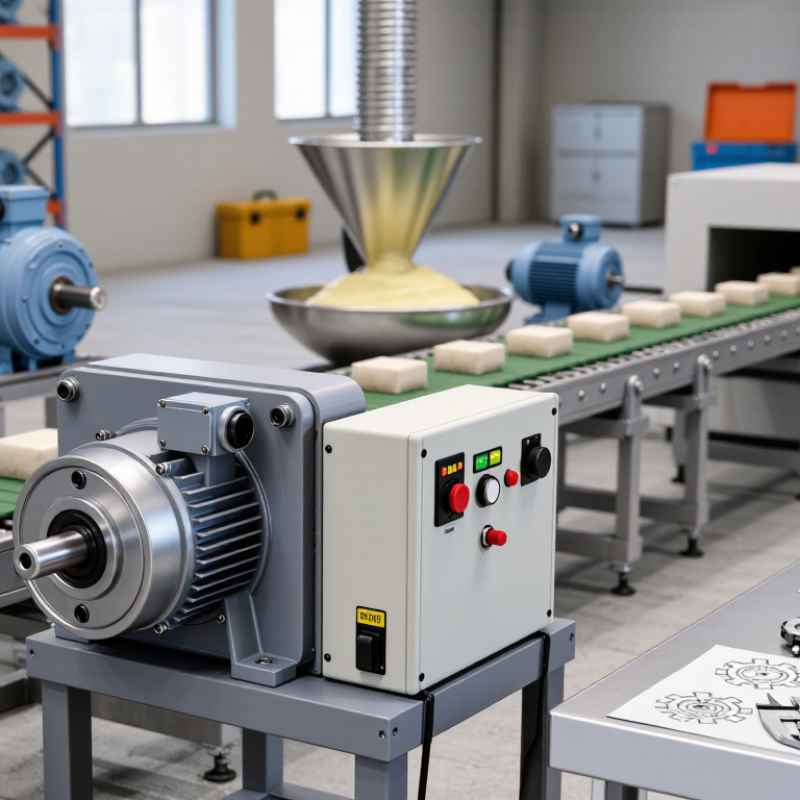
Before choosing a variable speed gear motor, define the real operating requirements.
Record the driven load’s torque, speed range, and acceleration time. Measure the worst load, not only the normal load. A conveyor carrying wet material may need much more starting torque than expected.
Specify the duty cycle clearly. Note running hours, starts per hour, reversing frequency, and load changes. Check whether the motor must operate continuously at low speed. Poor cooling can cause overheating there. Confirm the available voltage, control method, mounting position, and ambient temperature. Dust, moisture, chemicals, and washdown conditions also affect enclosure and sealing decisions.
Tips: Leave a practical torque margin, but do not oversize blindly. A large motor can reduce efficiency and increase control problems. Check output shaft loads, gearbox backlash, and braking needs with the equipment supplier. Calculate heat during slow operation. Then test the selected unit under the heaviest realistic load. Our first estimate may be wrong, especially when friction changes with temperature. Rechecking field measurements is not wasted work.
Choosing a variable speed gear motor starts with the driven load, not the motor label. Measure the required speed range, continuous torque, and starting torque. A conveyor moving loaded boxes may need strong starting torque, even when running slowly. A small fan usually needs less torque but may operate for many hours.
Motor power should cover the working load without running near its limit. Calculate power from torque and speed, then allow room for acceleration, friction, and changing loads. Check the gearbox ratio carefully. A higher reduction ratio increases output torque but lowers output speed. Efficiency also matters. Heat can build inside a tightly enclosed motor during extended operation.
Control quality is equally important. Confirm that the motor and drive can maintain stable speed at low frequency. Review duty cycle, braking needs, ambient temperature, and mounting position. These details affect service life. In field applications, a motor that works well at rated speed may perform poorly during repeated starts. That is easy to miss.
The first calculation is rarely perfect. Recheck the load with a torque meter when possible. A rough estimate can mislead. Select the nearest suitable motor size, then verify thermal performance and overload capacity with technical data. This practical check often prevents noisy operation, overheating, and unexpected shutdowns.
How to Choose a Variable Speed Gear Motor?
Choosing a variable speed gear motor starts with the gearbox, not the motor label. Define the required output speed, torque, duty cycle, and mounting space. A worm gearbox suits compact, low-speed applications and can offer useful holding resistance, but it usually loses more energy as heat. Helical gearboxes provide better efficiency for continuous operation. Planetary gearboxes are suitable when high torque, small size, and controlled backlash matter. The choice is not always obvious.
Select the speed control method according to the motor type. An inverter can regulate an AC motor smoothly, but the motor must be rated for variable-frequency operation. A DC controller offers direct speed adjustment and practical starting torque. Brushless motors need a compatible electronic driver, often with feedback for accurate control. Avoid choosing control equipment by voltage alone. Current, acceleration, cooling, and braking requirements can change the result. Real installations are less tidy than catalog tables suggest.
Tips: Measure the load at startup, not only during normal running. Leave thermal capacity for hot environments. Check gearbox efficiency at the actual ratio. If the motor hunts or stalls, the control settings may be wrong. Recheck the calculation after testing; a theoretically correct selection can still perform poorly with shock loads, loose couplings, or unexpected friction.
Gearbox selection depends on the required torque, reduction ratio, duty cycle, efficiency, and installation space. For adjustable-speed applications, a variable-frequency drive is commonly paired with induction motors, while servo drives are preferred when precise positioning and rapid dynamic response are required. The values below are representative engineering ranges and can vary with load, lubrication, motor size, and operating conditions.
Choosing a variable speed gear motor starts with the machine’s real workload, not its catalog rating. Measure required torque, speed range, starts per hour, and load changes during normal operation. Efficiency matters most when the motor runs for long shifts. A small efficiency loss can become substantial heat and energy cost over months. Compare efficiency across the actual operating range, not only at the listed peak point. Check whether the gear reduction creates enough torque without forcing the motor near its limit. Leave practical margin. Too much margin, however, may increase cost and reduce control precision. I have seen machines selected correctly on paper but poorly suited to sudden load changes.
Duty cycle deserves equal attention. A motor rated for intermittent use may overheat in a conveyor that runs continuously. Record running time, rest periods, acceleration demands, and frequent reversing. Then match those conditions with the motor’s thermal rating and service factor. Mounting is not just a bolt pattern. Confirm shaft orientation, flange dimensions, mounting strength, cable access, and alignment space. Poor alignment can cause noise, vibration, seal wear, and early bearing failure. Environmental conditions can quietly change the selection. Consider dust, washdown water, humidity, corrosive vapors, ambient temperature, and installation height. Use suitable protection and sealing, but verify the stated rating under real exposure. Avoid guessing. A spreadsheet may miss the heat trapped inside a small enclosure, especially when airflow is limited.
Safety should guide the selection, not just speed range or purchase price. Look for overload protection, thermal monitoring, guarded moving parts, and a reliable stopping system. The motor should also match the machine’s load profile, including startup torque and frequent reversing. An enclosure suited to dust, moisture, or washdown areas can prevent avoidable failures. Check the installation instructions carefully. Small errors matter.
Maintenance needs are easier to judge from the working environment. A dusty conveyor may require sealed bearings and frequent cleaning around cooling vents. A geared unit may need oil inspection, seal checks, and alignment reviews. Listen for rising noise or vibration; these often appear before serious damage. Keep a simple service log with operating hours, temperature readings, and replaced parts. It is not perfect, but it reveals patterns.
Total cost includes more than the motor invoice. Compare energy use, spare parts, technician time, and the cost of unexpected downtime. A cheaper unit can become expensive after repeated adjustments or difficult repairs. Ask for realistic service intervals and verify whether replacement components are available locally. Calculate the motor’s expected duty cycle instead of trusting a general efficiency claim. I have found that estimates are often too optimistic, especially when loads change during production. A short trial under real conditions may expose problems that a catalog cannot.
Measure the required speed range, continuous torque, starting torque, and duty cycle. A loaded conveyor may need high starting torque.
Choose enough power for the working load, acceleration, friction, and load changes. Avoid operating continuously near the motor’s limit.
A higher reduction ratio increases output torque but reduces output speed. Confirm the actual ratio and gearbox efficiency.
Worm gearboxes suit compact, low-speed equipment. Helical gearboxes suit continuous operation. Planetary gearboxes suit high torque and small spaces.
Match the controller to the motor type. Check current, acceleration, cooling, braking, and low-speed stability, not voltage alone.
Repeated starts create heat and demand extra torque. A motor may work at rated speed but struggle during frequent acceleration.
Look for overload protection, thermal monitoring, guarded moving parts, and reliable stopping. Match the enclosure to dust, moisture, or washdown conditions.
Inspect bearings, seals, alignment, cooling vents, noise, and vibration. Record operating hours and temperatures. The log will not be perfect, but patterns appear.
Include energy use, spare parts, technician time, and downtime. A cheaper unit may cost more after repeated adjustments or difficult repairs.
Yes. The first calculation is rarely perfect. Test the load under real conditions and recheck torque, temperature, noise, and unexpected friction.
Choosing the right Variable Speed Gear Motor begins with clearly defining the operating requirements of the application. Consider the required output speed range, starting conditions, load type, running time, and available power supply. The motor’s power, torque, and speed should then be matched carefully to the machine’s actual demands, including peak loads and frequent acceleration or deceleration. Selecting a suitable gearbox type is equally important, as it affects performance, noise, durability, and space requirements. The speed control method should provide stable, precise adjustment and be compatible with the motor and control system.
Before making a final decision, evaluate efficiency, duty cycle, mounting arrangement, and environmental conditions such as dust, moisture, temperature, and vibration. Safety features, overload protection, braking requirements, and ease of maintenance should also be reviewed. Finally, compare the total cost of ownership rather than focusing only on the initial purchase price. A reliable Variable Speed Gear Motor can improve productivity, reduce energy use, simplify operation, and deliver dependable performance throughout its service life.

Viterra Motor