A Mini Dc Gear Motor is worth considering when a design needs controlled motion in a compact space. Its gearbox reduces speed and increases torque, helping a small motor move a load with greater control. You might see this in a desktop actuator, a compact conveyor, or a small robotic joint. The right choice depends on more than size. Check the required output speed, torque, voltage, duty cycle, and available mounting space before comparing models. Small details matter.
For a clearly illustrative expert perspective, motion-control engineer Maya Chen might put it this way: “Choose the gear ratio for the load and motion you need, not just the smallest motor that fits.” This is an original sample quotation, not a verified statement from a named source. In practice, testing a motor under its real load can reveal issues that a specification sheet misses, such as excess heat, noise, or slower-than-expected startup. That step takes time. It can also prevent an avoidable redesign.
A Mini Dc Gear Motor can simplify a mechanism, but it is not automatically the best solution. Gear friction, backlash, and wear may affect performance over time. A careful selection balances compact size with durability and control. Even then, the trade-offs deserve a second look.
What Is a Mini DC Gear Motor?
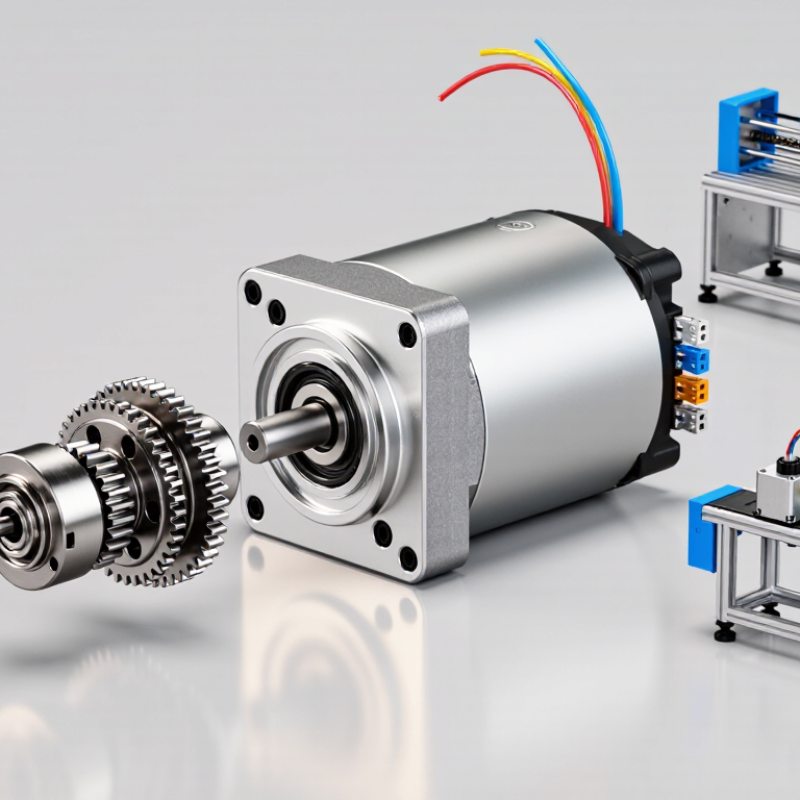
A mini DC gear motor combines a small direct-current motor with a reduction gearbox. The motor spins; the gears slow its output and increase available torque. This makes the unit useful when a compact device needs controlled movement rather than high speed. Think of a small wheel turning steadily, or a latch moving with enough force to overcome light resistance. Small, but purposeful.
The motor’s voltage, gear ratio, shaft size, and expected load all matter when choosing one. A higher reduction ratio usually means slower output, but it does not create unlimited force. Real performance depends on the motor, gearbox, and operating conditions. Check the rated speed and torque, then allow room for starting loads. That matters. Gear teeth can introduce backlash, so the output may shift slightly before engaging in the opposite direction. Noise, heat, and service life also vary by design. A motor that looks right on paper can disappoint if the load is heavier than expected; measuring the mechanism first is less exciting, but often wiser.
How Does a Mini DC Gear Motor Work?
A mini DC gear motor combines a small direct-current motor with a reduction gearbox. The motor’s rotating shaft turns a series of gears, which reduce output speed and increase available torque. In a typical unit, the motor spins quickly while the gearbox turns more slowly. The result is useful motion for compact mechanisms, such as a small wheel, latch, or adjustable vent.
Apply voltage, and current flows through the motor’s windings. Their magnetic field interacts with permanent magnets, creating rotation. Reverse the voltage polarity, and the shaft usually turns the other way. The gearbox then transfers that rotation through meshing teeth. Each gear stage changes speed and torque; the exact result depends on the gear ratio and the motor’s design.
That is the catch.
More reduction can provide greater output torque, but it also lowers speed and may add friction or backlash.
In practice, match the motor to the load, not just its size. A small gear motor pushing a stiff slider may draw more current and run hotter than expected. Check the rated voltage, output speed, torque, and duty cycle, then leave a margin for startup loads. Noise and slight gear play can matter, too. These details vary between models, so measurements under the real load are more useful than a guess from the motor’s appearance.
What Advantages Does Its Compact Design Offer?
A mini DC gear motor combines a small motor with reduction gears, delivering useful torque where a bare motor may require more space. Its compact footprint can free room for batteries, wiring, sensors, or a narrower enclosure. Space is precious. In a mobile robot, a shorter drive module may leave more room for the wheel hub and maintenance access. The International Federation of Robotics reported 541,302 industrial robot installations worldwide in 2023, with 4.28 million robots in operation. Those figures show the scale of automation, not that compact motors alone drive its growth.
A smaller drive assembly can also simplify layouts in lab instruments, small conveyors, and adjustable fixtures. Integrated gearing may reduce mounting parts and alignment work, although the real benefit depends on the load and installation geometry. The U.S. Department of Energy’s 2014 motor-systems sourcebook estimates that motor-driven systems account for about 68% of electricity use in U.S. manufacturing. That makes efficiency worth checking alongside size. Gear ratio, duty cycle, and heat all matter. A tiny housing can trap heat. Measure torque and temperature under the actual load before finalizing the design; it is easy to postpone that test, and risky to guess.
Where Are Mini DC Gear Motors Commonly Used?
Why Choose a Mini DC Gear Motor?
Where Are Mini DC Gear Motors Commonly Used?
Mini DC gear motors appear wherever a compact mechanism needs controlled movement and useful output torque. In automatic blinds, they can turn a small drive shaft to raise or lower fabric steadily. In vending equipment, they may move a dispensing spiral one step at a time. Small details matter: shaft alignment, mounting space, and operating noise can affect the finished product.
You may also find them in desk fans, appliance latches, camera positioning systems, and educational robotics kits. In a lab instrument, a geared motor can move a sample tray at a measured pace. In a small robot, it can drive wheels over smooth floors. The gearbox reduces speed and increases available torque, though actual output depends on the motor, gear ratio, and losses within the assembly.
Choosing one by application takes more than matching dimensions. Check the required speed, load, duty cycle, voltage, and available space. A motor that works for a brief adjustment may overheat during repeated operation. This is easy to overlook. Testing the mechanism under its real load can reveal vibration, excess noise, or a torque margin that is smaller than expected.
Why Choose a Mini DC Gear Motor?
Mini DC gear motors combine compact size with reduced output speed and increased torque, making them useful where space is limited and controlled movement is needed.
Where are they commonly used? In toys, small robots, automotive accessories, access-control equipment, and portable instruments. The values show representative supply-system voltages, not universal motor ratings; actual requirements vary by product and design.
What Factors Should Guide Your Selection?
A mini DC gear motor should be selected from the load backward, not from its advertised speed alone. Estimate the required output torque, including startup friction and any brief jam risk. Then compare that figure with the motor’s continuous torque rating; peak torque is not a safe everyday target. The International Energy Agency’s Energy-Efficiency Policy Opportunities for Electric Motor-Driven Systems (2011) estimates that motor-driven systems use about 46% of global electricity. That figure covers many motor types, not miniature gear motors, but it highlights why matching a motor to its real workload matters. Small details matter.
Check the output speed after gearing, supply voltage, and startup current against your controller and battery. A motor that spins freely on a bench may slow sharply under a real load. Consider duty cycle and heat, too: repeated starts in a cramped enclosure can raise temperature faster than a short test suggests. Gear material, backlash, shaft diameter, mounting holes, and operating noise may decide whether the unit fits your mechanism. For precise positioning, measure backlash in the assembled system; published figures can differ by test method. There is no perfect selection from a catalogue alone. Prototype under the actual load, record current and temperature, and leave a margin. One assumption may still prove wrong.
Conclusion
A Mini Dc Gear Motor combines a small DC motor with a gearbox to deliver controlled rotation at a reduced speed and increased output torque. As the motor turns, gears transmit and adjust its motion, making the unit useful when a project needs steady movement in a limited space. Its compact design can simplify installation, reduce the room needed for moving parts, and support lightweight mechanisms without sacrificing practical performance.
These motors are commonly used in small appliances, robotics, toys, instruments, and automated mechanisms. When choosing one, consider the required speed and torque, operating voltage, motor dimensions, gearbox ratio, duty cycle, noise, and mounting needs. Matching these factors to the application helps ensure reliable operation and avoids selecting a motor that is either underpowered or unnecessarily large.

 Viterra Motor